

In this article, a senior finance leader explores how FP&A teams can unlock true strategic business...

Beyond the Board Pack: How FP&A Can Shape the Strategic Agenda
March 12, 2026

FP&A teams often see the board pack and presentation as the neat, finished article, to be wrapped in a bow or framed on the wall at the end of the forecast cycle. The sum of all our weeks and months of labour neatly packaged. It’s where Finance has the undivided attention of execs, and it’s our moment to shine.
However, a board pack isn’t normally where strategy is actually shaped. It’s usually where the outputs of debates and discussions, which have already been agreed in principle, are formalised and signed off. By the time we get to finalise the board pack, the path ahead has already been laid out.
This leaves us with a challenge. FP&A has a fantastic overview of the business — from performance metrics to risks and trade-offs. But we’re often seen as a final checkpoint rather than a strategy shaper. It’s not that we don’t have the capability; it’s about when we’re engaged.
In my experience, FP&A’s strategic influence is set in stone by how we’re involved long before the board pack is even started.
Why the Board Pack Is a Weak Lever for Influence
A great board pack (one we can be proud of) skilfully tells a complete story with consistency and precision. They are designed to support governance rather than explore ideas or options. This naturally focuses the attention of finance teams towards explaining the outcomes rather than shaping the strategy.
When we’re building the tidy board pack, FP&A is typically there to confirm the assumptions, reconcile all the figures, and give confidence that the financials are sound when challenged by senior leaders. Don’t get me wrong — this is all important and valuable work, but it’s not the type of work that is going to change the strategic direction.
Finance might well be highly visible for preparing and presenting a polished board pack, but that alone isn’t driving influence. The problem is that most important decisions are made early, through informal conversations and smaller meetings, where options are discussed and paths pursued, well before anything reaches the slide-building phase.
Where Strategic Influence Actually Happens
Strategic influence is highest upstream — when choices are still being shaped rather than formalised.
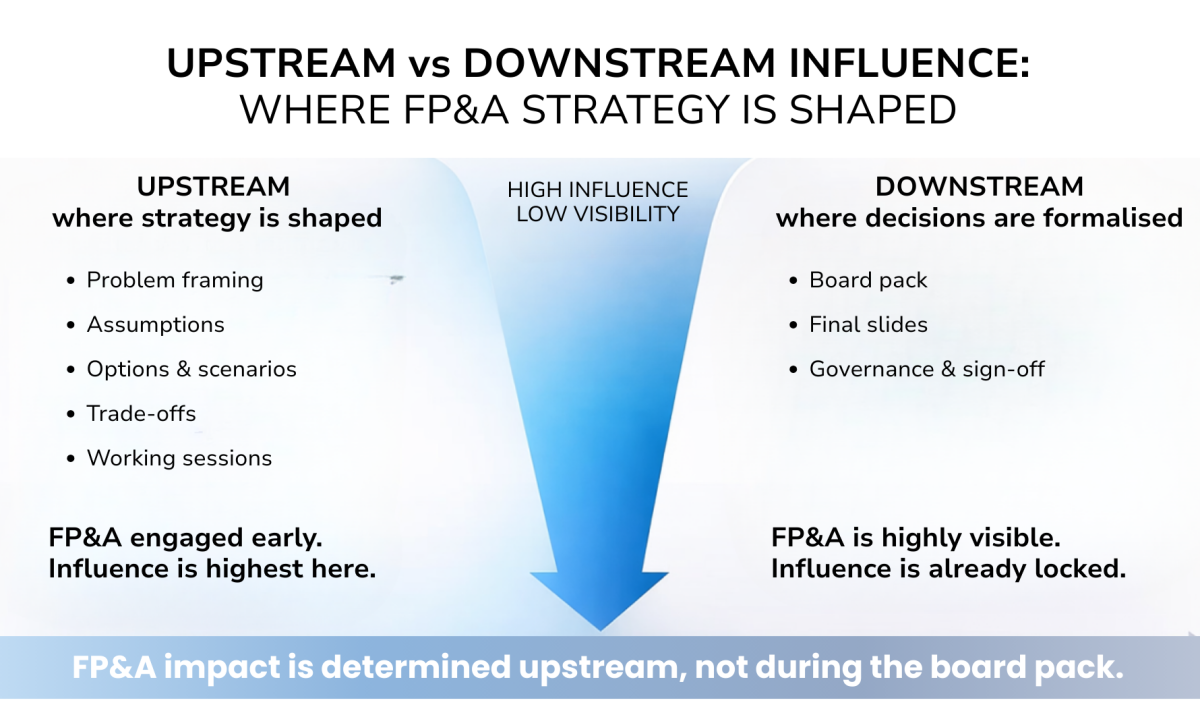
Figure 1: Upstream vs Downstream Influence
The diagram highlights a critical reality: visibility increases downstream, but influence decreases.
If FP&A wants to shape outcomes rather than explain them, engagement must happen before options harden into decisions.
The real influence happens early on, where ideas are still being thought through and no decisions have actually been made.
One of the best early engagement examples I’ve experienced first-hand came before a partner bid process even began. As a Finance Business Partner to a commercial team, I wasn’t restricted to analysing the proposals or checking the numbers as they came in. I was part of the conversation to map out what factors the business cared about and what thresholds we wanted to achieve, and was then tasked with designing the pricing request template that potential partners use to submit their bids.
Compared to being brought in at the end of a process, being on the inside early changed the whole dynamic and made me valuable and influential from start to finish. Shaping the metrics and building the template forced me to think carefully about what the business really needed. Not just in the financials, but also commercially and strategically. What were the trade-offs between P&L and cash flow? What were our risk areas? And what assumptions would matter the most when comparing the bids and even into the contracting phase?
Being brought in early meant that I could be deliberate about how the template was structured, so that when the proposals came in, they could be quickly consolidated and compared with minimal effort. Rather than finance having to react to submissions, I was actually shaping the information before it came in. FP&A was at the centre of the process, and so when the proposed bid went to the board, it wasn’t just accurately and cleanly displayed; it had financial strategy woven into it from day one.
This is the sort of difference early FP&A involvement can make. Finance isn’t just another checkpoint or validator, it’s a core component of the decision-making process, so when the CFO asks what you think, you can hand on heart say it’s the best outcome for the business — because it’s yours.
Moving from Inputs to Influence
Shifting FP&A’s contribution beyond the board pack isn’t just about producing more spreadsheets or being louder in meetings; it’s about changing the nature of what we’re doing.
In roles where I’ve seen FP&A have the best impact, the focus wasn’t on perfecting inputs, it was on idea generation and shaping thinking. That meant working with ambiguity rather than waiting for things to be certain — going with something at 80% rather than chasing perfection — and being engaged while ideas were still being formed rather than already locked.
Some of the most effective (and enjoyable) engagements I’ve had weren’t in budget review meetings; they were in ad hoc brainstorming whiteboard sessions, where we had a problem to solve or an opportunity to grab that needed quick, pragmatic finance inputs to support the decisions.
In these situations, FP&A’s value isn’t just in crunching numbers quickly; it’s about using those skills from within to guide the outcome. By crunching numbers on the fly, finance can influence where the discussion goes, and more often than not, that leads to a much more balanced outcome.
Shaping the Strategic Agenda in Practice
When FP&A gets brought in before the board pack is even considered, the role shifts. It becomes more about framing choices and challenging assumptions than explaining results and defending forecasts.
In order for influence to grow, finance professionals need to deploy a different set of skills than those needed for building pivot tables and reconciling statements. We need to help senior leaders see trade-offs early, bring discipline without slowing things down, make commercial judgments, and have confidence to step in at the right time.
These skills are also different from those needed to build the board pack. They show up in working sessions, bouncing ideas around a meeting room and short, sharp analysis designed to support thinking over a presentation. This is where the strategy is shaped, and even though there will likely be no physical evidence of your involvement, the outcome will be more than clear.
Redefining the Role of the Board Pack
This doesn’t mean we should reduce the importance of the board pack, but it does mean we should think about it differently.
A great board pack should be the output of a combined, cross-functional strategic influence, telling a concise story of decisions shaped through collaborative discussion. Board packs are usually higher quality when FP&A is brought in early. They’ve already woven financial discipline into the core, rather than sprinkling it on at the end.
Final Thought
FP&A is going to earn its seat at the strategy table by shaping the thinking that leads to a board pack rather than ticking and tying the numbers when it’s already been drafted.
Don’t wait for the slide building phase to begin. To step into the real influence, get into the messy (but highly rewarding) conversations, and help leaders find their way through the options before they set off down a path, leaving you to check the numbers.
Show up to early working sessions with curiosity, rough scenarios, and questions such as “What problem are we really trying to solve?” or “What would success look like if this worked?” Talk through assumptions and stay commercial rather than getting technical. Be comfortable with ambiguity and having an incomplete picture rather than waiting for certainty. Having the confidence to say “We don’t know everything yet, but if this is broadly true, here are the likely outcomes” can really help shape direction. Approaches like these can help you gain trust and give you permission to influence later in the process, leading FP&A to add real strategic value, enabling our stakeholders to make better decisions.
The full text is available for registered users. Please register to view the rest of the article.
Related articles

In this article, discover how FP&A strategic business partnering helps finance professionals challenge assumptions, expand decision...

In this article, Kevin Phillips explores the CFO’s New Reality: why traditional financial planning can’t keep...

This article explores how leading finance teams are rethinking JIT, adopting AI scenario planning, and doubling...

In this article, discover how Lindström transformed its finance controllers into strategic business partners through a...

In this article, a former CFO outlines five practical pillars that help FP&A professionals evolve from...
+
Subscribe to
FP&A Trends Digest

We will regularly update you on the latest trends and developments in FP&A. Take the opportunity to have articles written by finance thought leaders delivered directly to your inbox; watch compelling webinars; connect with like-minded professionals; and become a part of our global community.