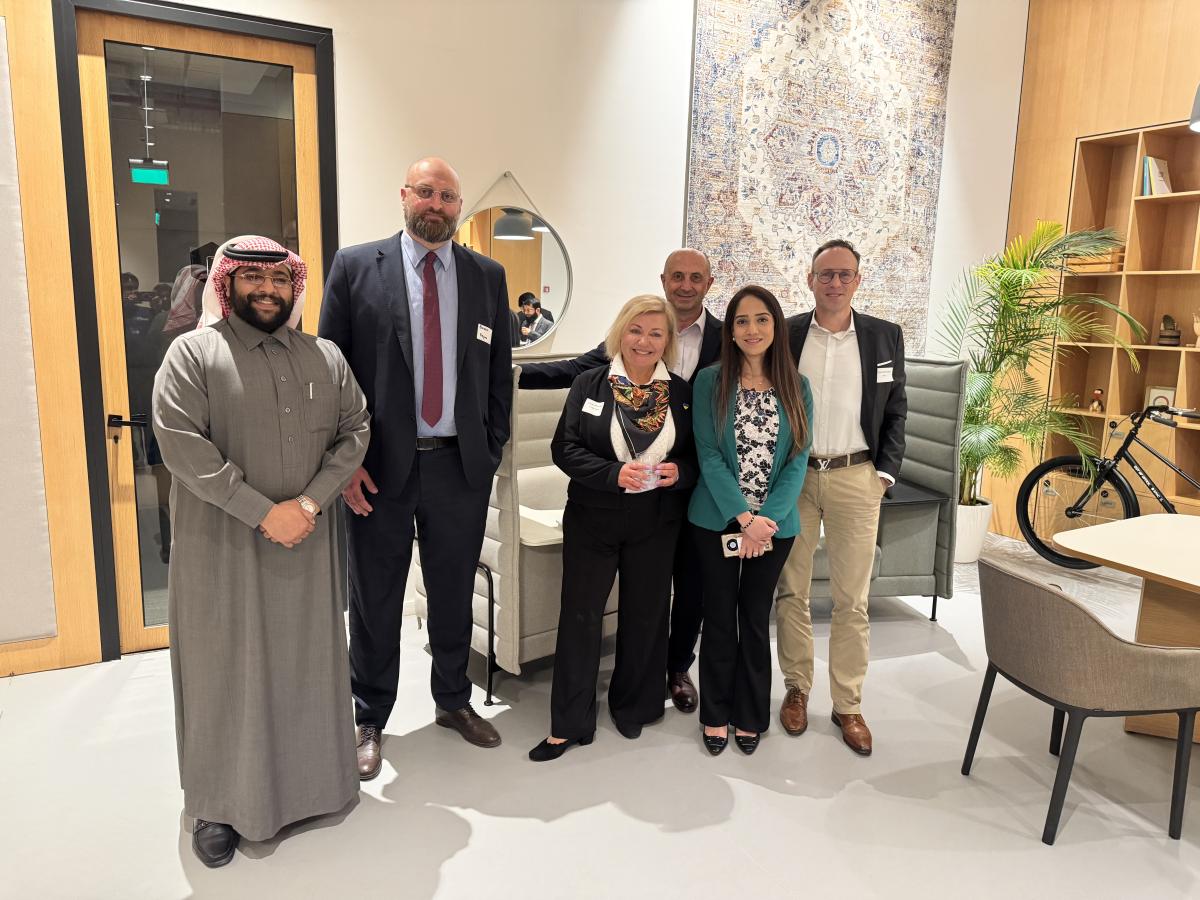

The Riyadh FP&A Board meeting on 10 February 2026 brought together senior finance leaders from multinational and regional organisations for a focused discussion on advancing analytical maturity and translating the FP&A Trends Maturity Model into actionable transformation steps.
Sponsored by Jedox and supported by IWG/Medad, Page Executive, and Michael Page, the session combined insights from a structured framework with open peer exchange and hands-on group work.
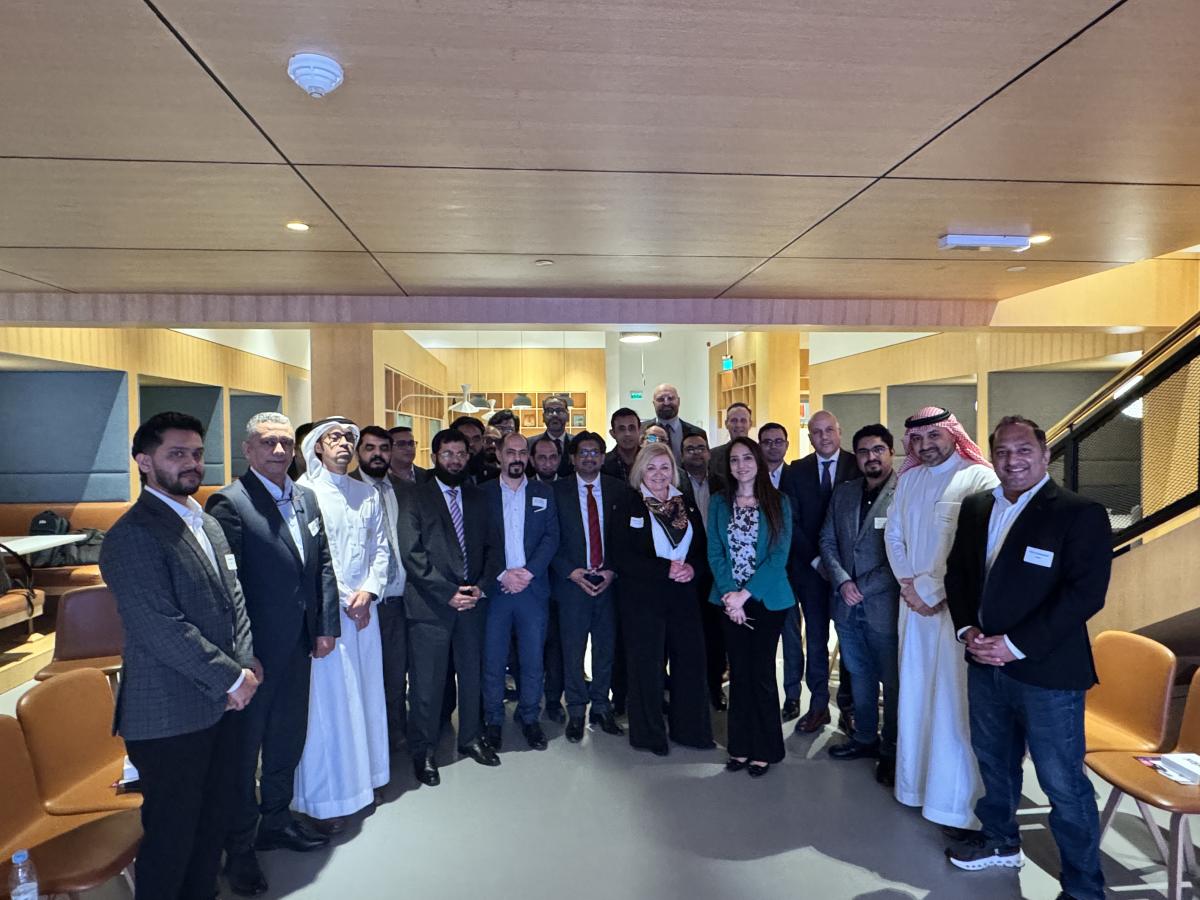
Centred around the theme “Creating Your Analytical Transformation Map with the FP&A Trends Maturity Model,” the discussion explored how organisations can move beyond fragmented improvement initiatives toward a clear, structured progression across leadership, skills and capabilities, business partnering, data foundations, governance, and technology enablement.
In an environment where predictability spans are shrinking and volatility has become the norm, the session opened with a simple but powerful question: What is the main obstacle to FP&A transformation?
The discussion quickly clarified that transformation is not about implementing new tools, but about reshaping how FP&A generates insight, supports decisions, and embeds analytics into business processes.
The answers were candid and experience-driven.
The Real Barriers to Analytical Transformation
Across the room, several recurring themes emerged:
- Information certainty — lack of confidence in data and assumptions
- Mindset and buy-in — limited organisational appetite for change
- Data quality — foundational weaknesses that undermine trust
- Capability gaps — insufficient analytical and business partnering skills
- Technology readiness — tools implemented without full alignment
Resistance to transformation, participants noted, is often linked to time and cost pressures, but also to unclear communication of benefits at the individual level.
Group discussions highlighted the importance of:
- Strong top-management buy-in
- A clearly articulated change management strategy
- Vision communicated consistently across the organisation
- Linking transformation outcomes to individual incentives
The discussion reinforced a critical point: analytical transformation is not primarily a systems upgrade but a leadership, culture, and skills-and-capability journey.
Moving Beyond Fragmented Initiatives
Many organisations, participants acknowledged, are running multiple improvement projects simultaneously. Yet without a structured roadmap, these initiatives often remain fragmented.
This is precisely why, over the past eight years, the International FP&A Board has developed the FP&A Trends Maturity Model — not as a theoretical construct, but as a practical framework to help finance teams:
- Assess their current maturity level
- Clarify what “better” truly means
- Define realistic step-changes
- Progress toward the Leading stage in a structured way
In Riyadh, the focus shifted from abstract ambition to practical progression:
How do we move from Basic and Developing stages toward a truly intelligent, agile FP&A function?
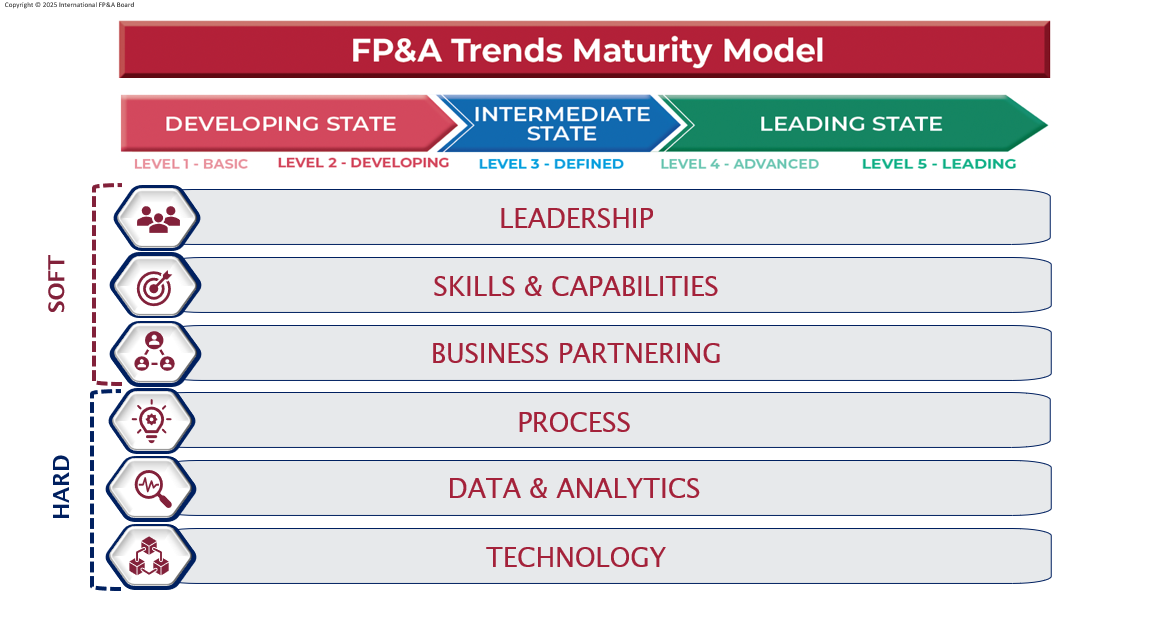
Figure 1
The model’s six dimensions, including leadership, skills and capabilities, business partnering, data foundations, processes, and technology enablement, provided a structured lens for self-assessment.
The model does not prescribe a single path. Instead, it highlights that maturity progression depends on strengthening interdependencies between leadership alignment, governance discipline, capability development, and technology enablement. Advancement in one dimension without the others rarely delivers sustainable impact.
Importantly, the model distinguishes between soft dimensions and hard dimensions of transformation.
The soft dimensions, leadership alignment, culture, mindset, and capability development, determine whether change is embraced and sustained. Without executive sponsorship, clear communication, and investment in analytical skills, even well-designed systems fail to deliver impact.
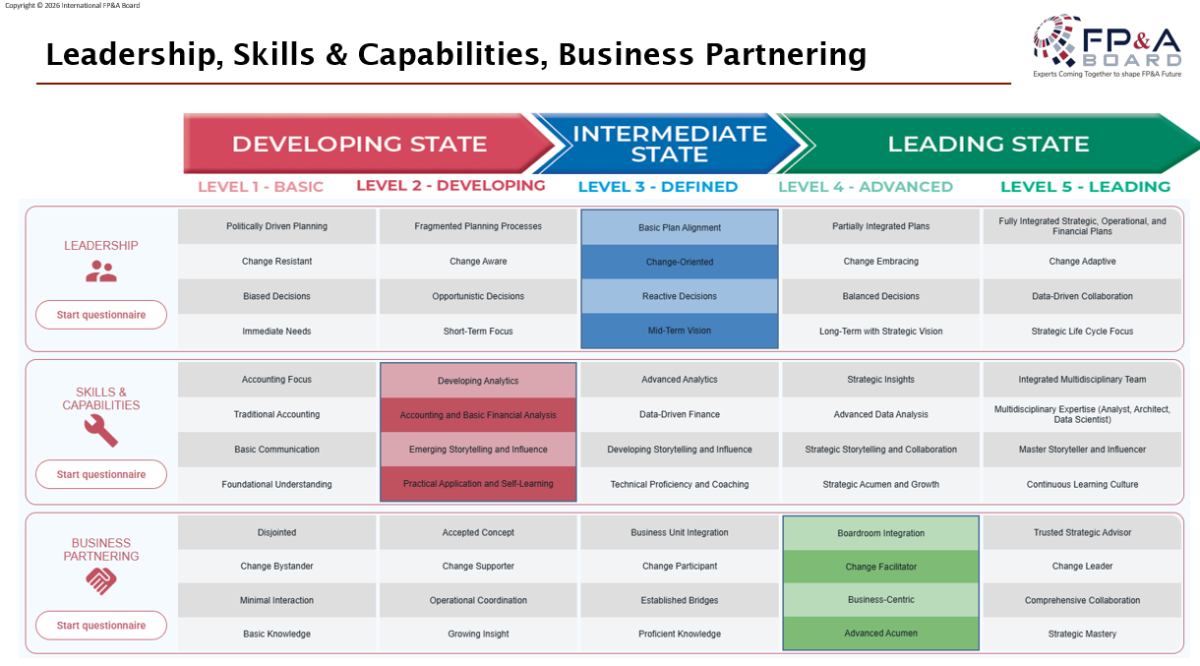
Figure 2
The hard dimensions — data governance, process discipline, modelling frameworks, and technology architecture — provide structural stability. These foundations ensure information certainty, consistency, and scalability.
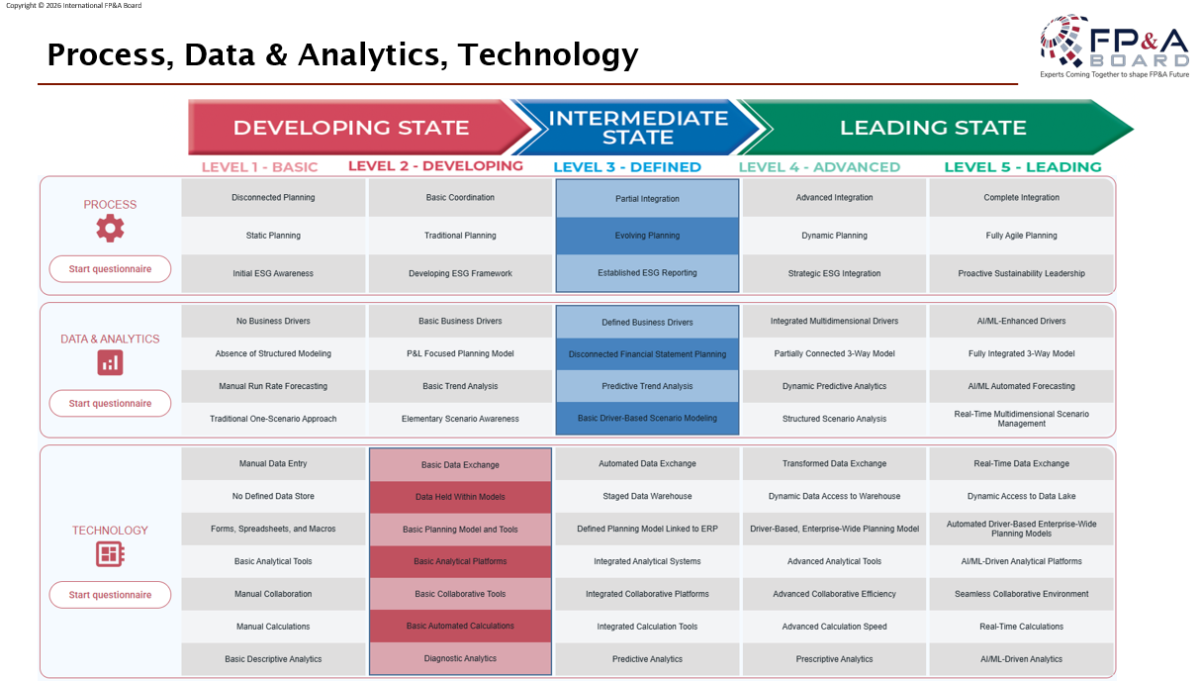
Figure 3
The Riyadh discussion reinforced that analytical maturity emerges only when both dimensions evolve together. Strengthening systems without shifting behaviours creates complexity. Driving cultural ambition without reinforcing governance creates fragility.
Technology and Dynamic Modelling: Evidence from the 2025 Survey
The Riyadh discussion was further contextualised by insights from the 2025 FP&A Trends Survey, which quantified the performance impact of structured analytical enablement.
The data demonstrates a clear gap between organisations that embed modern technology and dynamic modelling frameworks into their FP&A processes and those that do not.
Organisations using cloud platforms report significantly higher optimisation levels, with 32% classified as best-in-class compared to 15% among non-users. They are also more likely to rate their forecasts as “great or good” (62% versus 40%).
Adoption of AI/ML shows an even stronger uplift. Among AI/ML users, 73% rate their forecasts positively compared to 42% of non-users — a 31% performance difference.
Most strikingly, organisations implementing driver-based models demonstrate the strongest performance impact. 77% of these organisations rate their forecasts as “great or good,” compared to only 38% among non-users — a 39% performance gap.
These findings reinforce a central insight from the Riyadh session: while leadership alignment and governance discipline form the foundation of analytical maturity, modern technology and driver-based modelling frameworks act as performance multipliers when embedded within a structured transformation roadmap.
Analytical transformation, therefore, requires both behavioural evolution and intelligent enablement.
Drivers, Governance and the Discipline of Agility
Group work deepened the discussion with concrete insights.
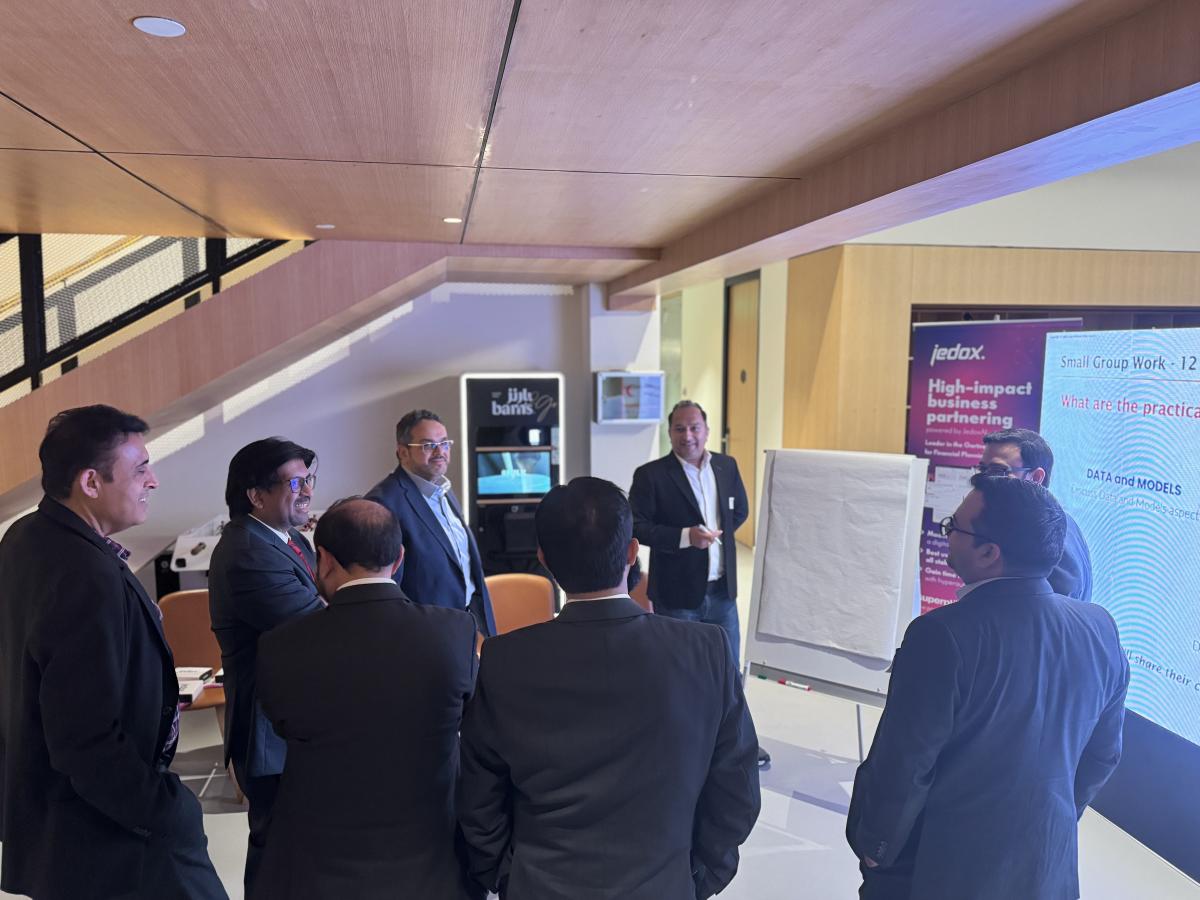
One group emphasised that:
- Models must be built around clearly defined business drivers
- Drivers can vary across business units, requiring flexibility
- Increasing complexity must be actively managed, not amplified
- Connected models require a common denominator
Agility, participants agreed, is not about creating complexity — it is about managing it intelligently.
Several participants noted that organisations often mistake model sophistication for analytical maturity, while the real differentiator lies in clarity of drivers and disciplined governance.
Data was another central theme. Strong consensus emerged around:
- Contextualised data prompts leading to better analytical answers
- The necessity of definitive data governance and ownership
- The importance of a true single source of truth
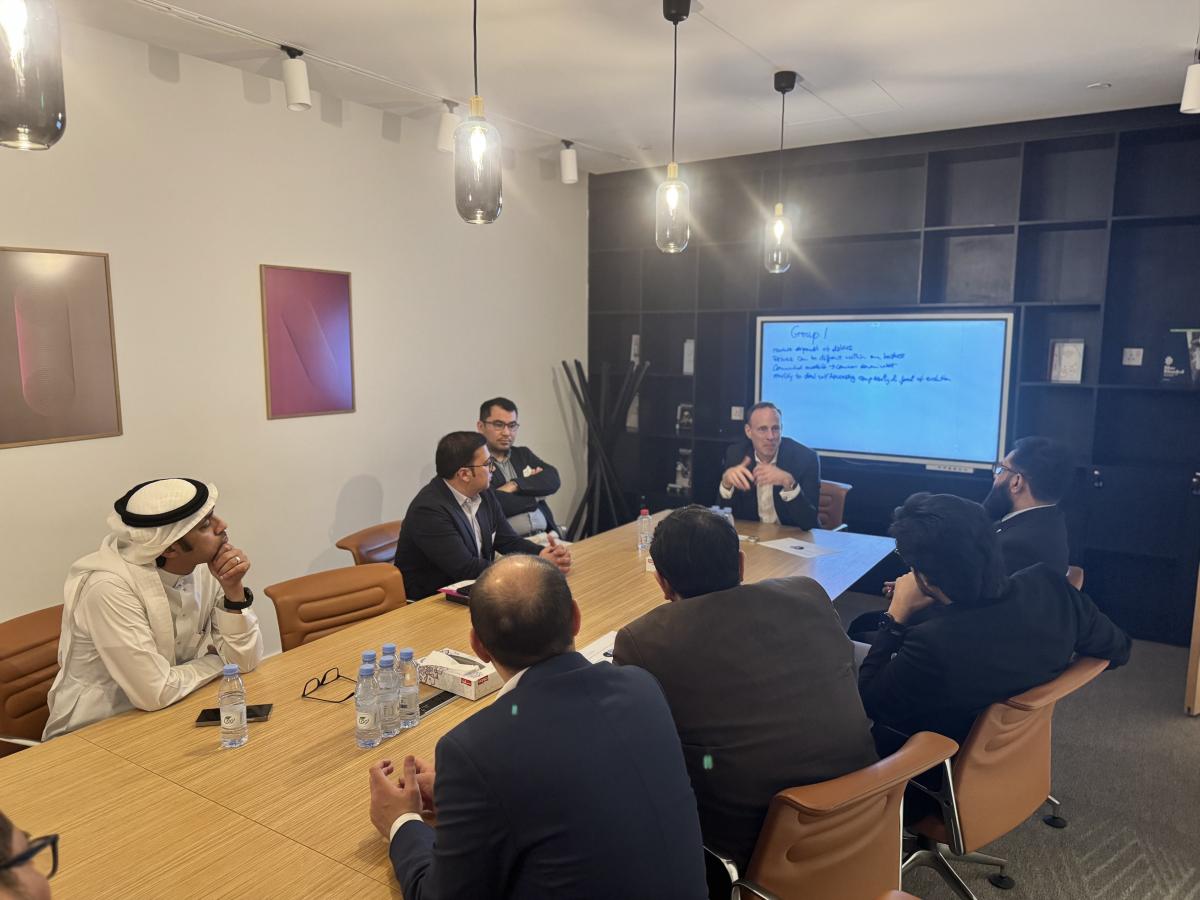
This “single source” was described as a north star for collaboration and democratisation of insight — enabling alignment across finance and the business.
Process Before Technology
Another group focused on operational foundations:
- Identify the right technology, but only after defining clear requirements
- Strengthen data sources and integrity
- Clearly define processes
- Assign process ownership
- Build systems that are agile, flexible, and future-proof
This reinforced one of the strongest messages of the session:
Transformation is not driven by tools alone.
Sustainable progress requires mindset, alignment, governance, and disciplined execution. Technology accelerates maturity, but only when built on solid foundations.
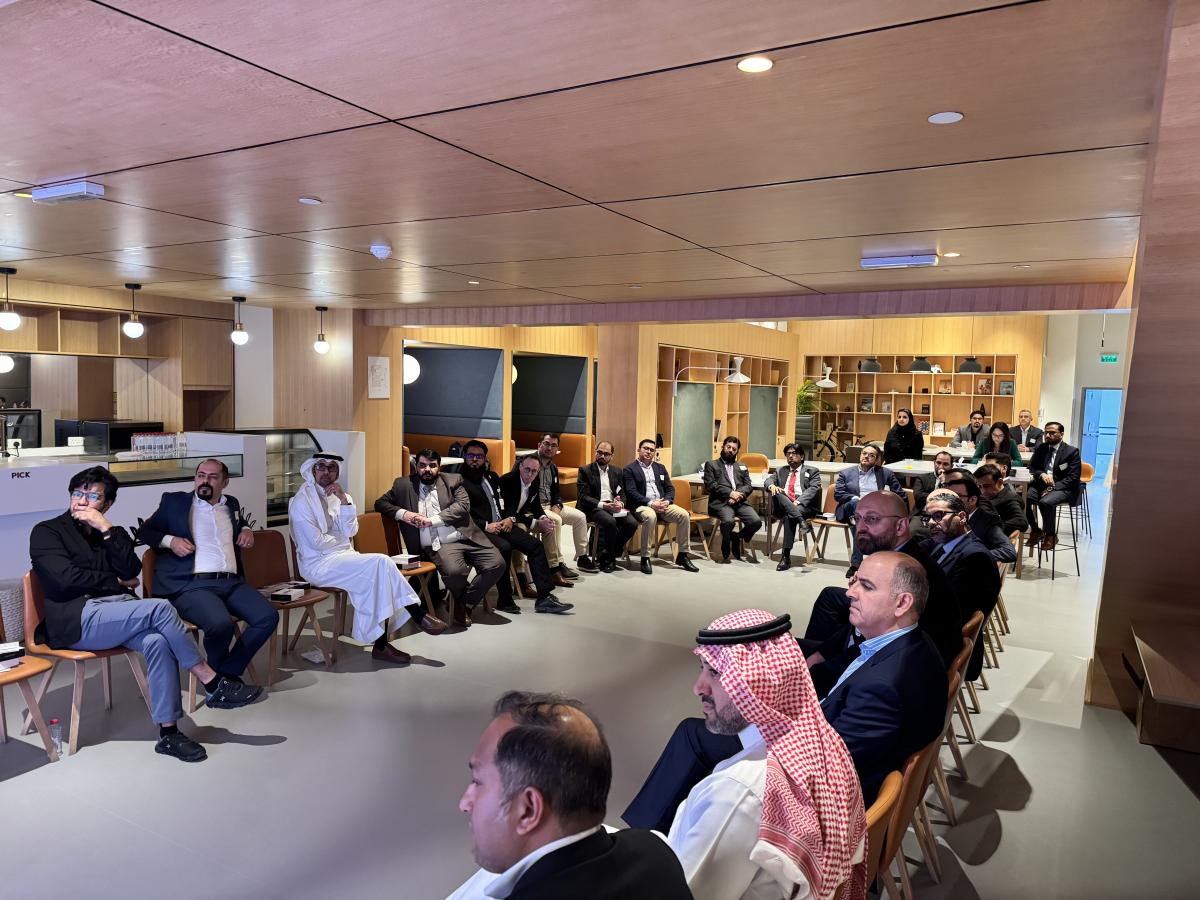
Practical, Practitioner-Led Dialogue
What made the Riyadh session particularly powerful was its balance between strategic perspective and real-world pragmatism.
Participants openly shared:
- What worked
- Where transformation stalled
- How leadership alignment influenced progress
- Why capability development remains a decisive factor
This practitioner-led exchange once again demonstrated why structured dialogue is essential in advancing FP&A analytical maturity across the region.
Speaker Contributions
A special thank-you to Nazar Toktonaliev, Director of Financial Planning and Analysis at The Helicopter Company, for his thoughtful contribution and for grounding the discussion in real-world FP&A transformation experience.
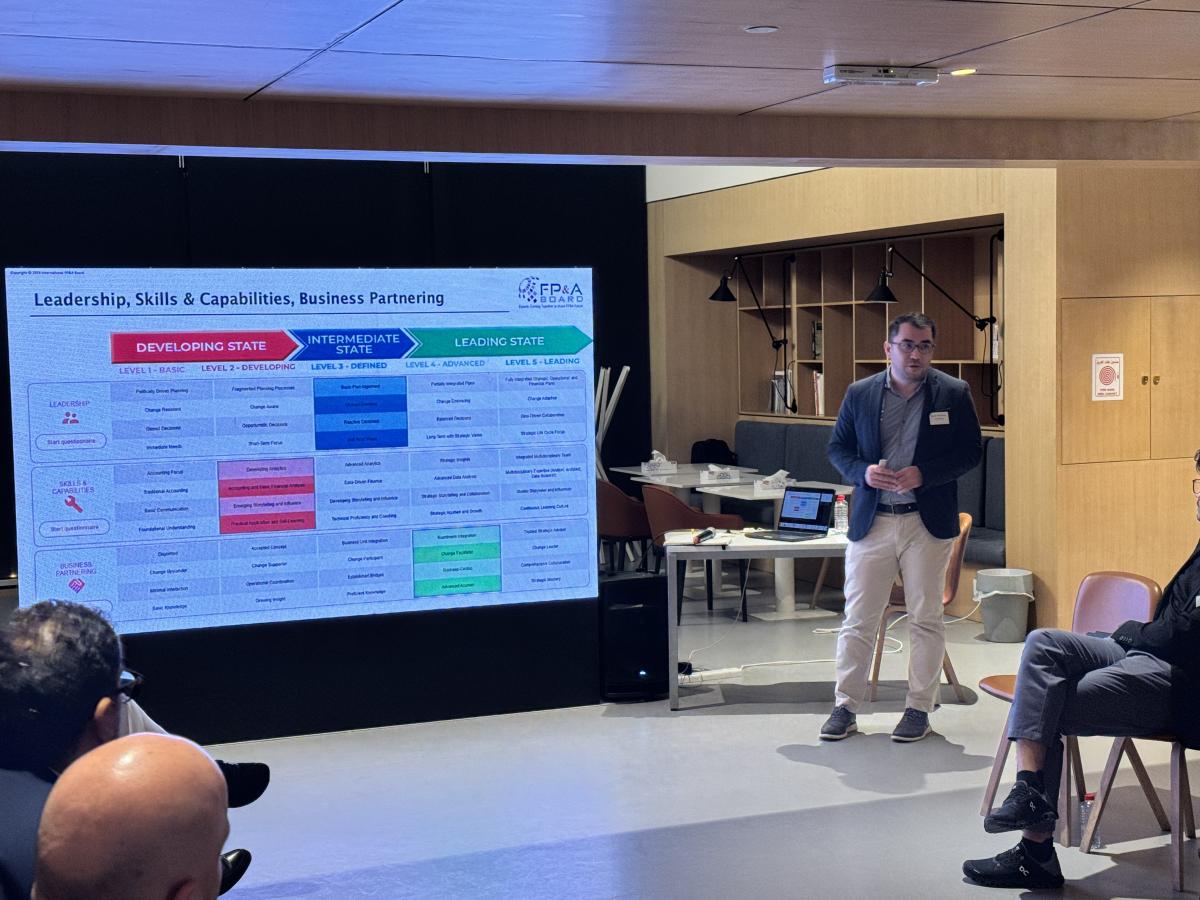
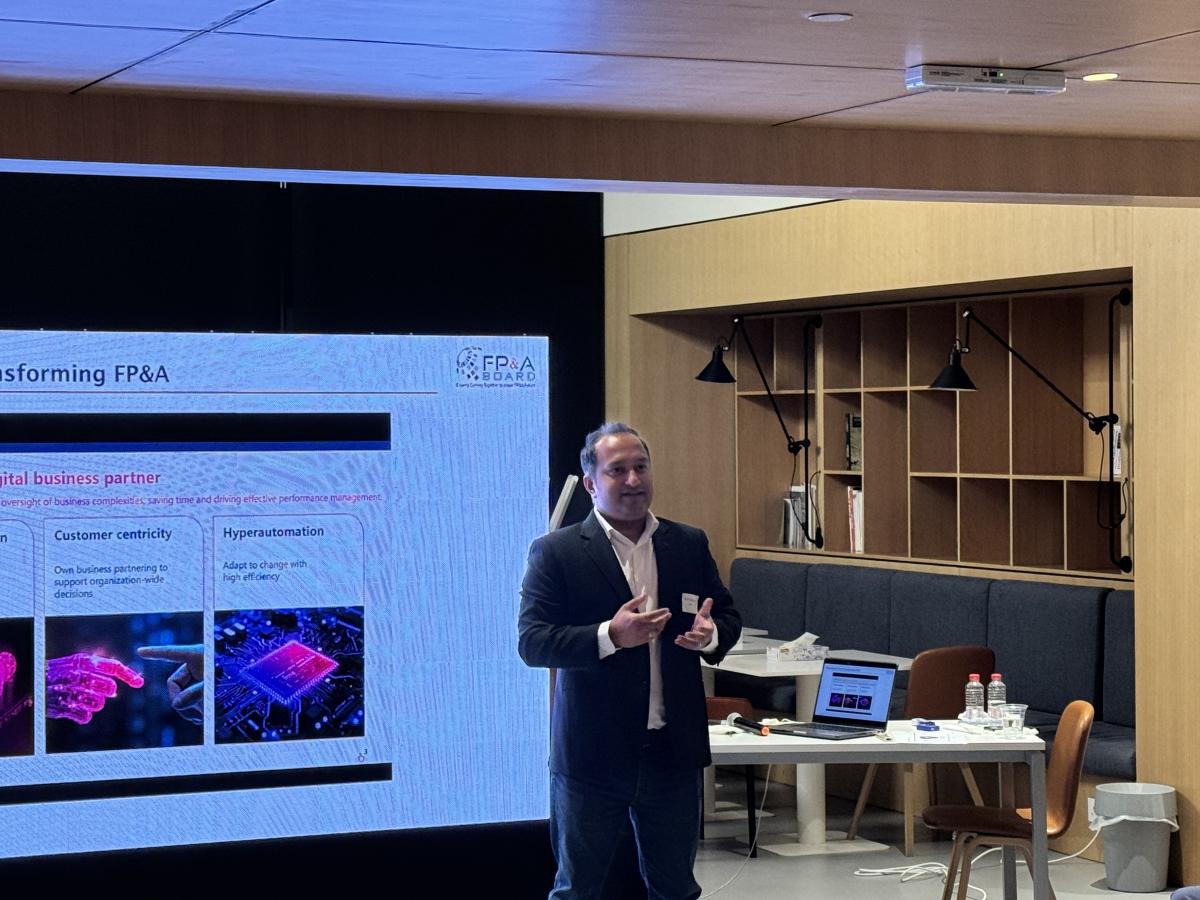
Thank you also to Arun Sadagopan, Regional Director – MEA at Jedox, for sharing a clear and practical perspective on how Agentic AI is transforming FP&A and supporting analytical agility.
The positioning was clear: intelligent systems amplify analytical capability, but only when embedded within a structured transformation roadmap.
A Shared Commitment to Analytical Progress
The Riyadh FP&A Board reaffirmed that analytical transformation is not a one-time initiative. It is a disciplined, multi-dimensional journey requiring leadership clarity, capability development, governance strength, and intelligent technology enablement.
The FP&A Trends Maturity Model continues to provide a structured way to turn ambition into execution and discussion into action.
As FP&A evolves across regions and industries, practitioner-led dialogue remains essential in converting strategic ambition into disciplined analytical progress, ensuring that maturity is built systematically rather than incrementally.