

In this article, the author explores how AI-driven tools are shifting FP&A from manual processes to...

A Bridge Strategy: How FP&A Teams Can Adopt AI Step-by-Step
December 11, 2025

AI is no longer a fantasy concept; it is now a real possibility. It is rapidly transforming business operations across different sectors, including FP&A. Although AI is becoming more and more absorbing, its adoption is not universal. According to the 2025 FP&A Trends Research Paper, more than half of FP&A teams do not have current use of AI (1). This article examines the underlying reasons behind such a slow adoption rate and proposes a working short-term strategy to use small sets of inexpensive AI tools to bridge the gap between what can be accomplished now and follow-on, enterprise-scale changes.
The reasons behind the still low adoption rate, especially in non-tech industries, range from budget tightening and skills gaps to data quality and regulatory complexities. Based on personal practical experience to initiate the AI transformation, one of the suggestions is that instead of waiting to get budget approved, especially when the company has a complex approval process, and the maturation of thoughtful integrated AI solutions, which spends months to build up and test at least like the old-school approach to implement digital transformation of ERP system, FP&A teams can immediately benefit from existing small, flexible, and user-friendly AI tools designed to address specific operational issues with thoughtful selection and instruction to use. Such a short-term approach balances immediate productivity demands with careful investment and prepares the ground for further, deeper use.
Why Enterprise AI Adoption Is Challenging for FP&A
Volatile Business Environment. The volatility of global trade policies, such as the changes in 2025 U.S. tariffs, has increased business uncertainty. Most affected companies are focusing on business agility and continuity, making them more cautious to invest in relatively large-scale, long-term FP&A transformation projects before adapting their business to lower the risk of cash flow and resource waste.
High Costs and Long Time Horizons. AI transformation is expected to be expensive, especially in the early phase, as it involves practising use cases. SMEs typically spend $50k–$250k in a pilot and $250k–$1.5 million for a full rollout, while multinationals will invest $3 million–$ 15 million+ over three years. Additionally, implementation typically takes 9–36 months, depending on the size. Relatively high costs and long payback discourage many finance teams from implementing integrated transformations.
Skills Gaps and Workforce Readiness. FP&A professionals remain largely reliant on Excel. Few possess AI literacy, technical competence and the capacity to run or validate AI outputs. Closing this gap requires extensive training and the recruitment of new personnel.
Rapid AI Evolution and Obsolescence Risk. AI platforms and solutions iterate quickly. Software implemented today will become outdated or replaced in months, which reduces the perceived ROI.
Complexities in the Global and Regulatory Environment. Cross-border companies face other obstacles, including differences in regulatory policies, data privacy restrictions, language requirements, and varying employee work habits. A universal solution seems not feasible in the short term.
Integration and Compatibility Challenges. Even potential AI solutions are likely to create new issues if they are not compatible with the existing finance system environment. They then generate more manual tasks rather than reducing them.
The challenge becomes even clearer when we look at how much time and investment full-scale AI programs require across different types of companies. Figure 1 below summarises the typical cost ranges and implementation timelines for small-scale, mid-sized, and enterprise-grade AI solutions, highlighting why adoption remains challenging for many FP&A teams.

Figure 1. The Estimated Cost and Time to Implement AI Solutions in Enterprise (2) (3)
Practical Application: Small AI Tool Sets as a Bridge Strategy
With these challenges ahead, FP&A functions need to adopt a bridging strategy starting from small (4). For example, to use a set of existing, tested small AI tools designed for specific operating tasks. These tools are low-cost, easy to implement, and easy to replace. They deliver immediate value without requiring enterprise-wide transformation.
Key guideline principles to adopt small AI tool sets include:
Target specific operational issues first, such as slide preparation, report sending automation, model formula or coding recommendations, or memo structure drafting, which wastes much time for FP&A professionals but carries low risk and has simple steps to design.
Prefer tools which have been extended from existing software, such as Excel add-ins or Copilot capabilities.
Reduce costs and training needs: tools must be accessible to professionals with minimal AI knowledge or even no actual understanding of what the difference is between AI and traditional automation.
Ensure flexibility by testing various tools per function or region and having alternatives on hand.
Appoint a specific FP&A professional with a technical background to monitor, test, and revise the tool list, and periodically note the usage instructions.
Allow working professionals to decide which tools they find most valuable for their work and provide feedback to update the tool instructions.
Framework for Selecting AI Tools
This framework, born from real-world day-to-day experience, is designed to help finance teams select AI tools effectively and sustainably. It emphasises beginning with extensions to existing systems, preferring inexpensive, simple tools, and selecting solutions that remain flexible as business needs shift. Equally important are ease of use and accuracy, so that professionals can trust and quickly integrate AI outcomes into their everyday work. The framework also highlights the necessity of measurable impact on critical workflows, such as modelling, reporting and formatting. By following these guidelines, teams are able to improve efficiency and find value immediately, and then change the mindset of team members towards AI in a real-world environment and building lasting AI capabilities.
To make the first step easier, the following framework summarises how FP&A teams can evaluate and choose small AI tools that truly fit their day-to-day needs. Figure 2 presents a practical framework that helps FP&A leaders evaluate small AI tools by focusing on extensions to existing systems, low-cost options, accuracy, flexibility, ease of use, and immediate workflow impact.
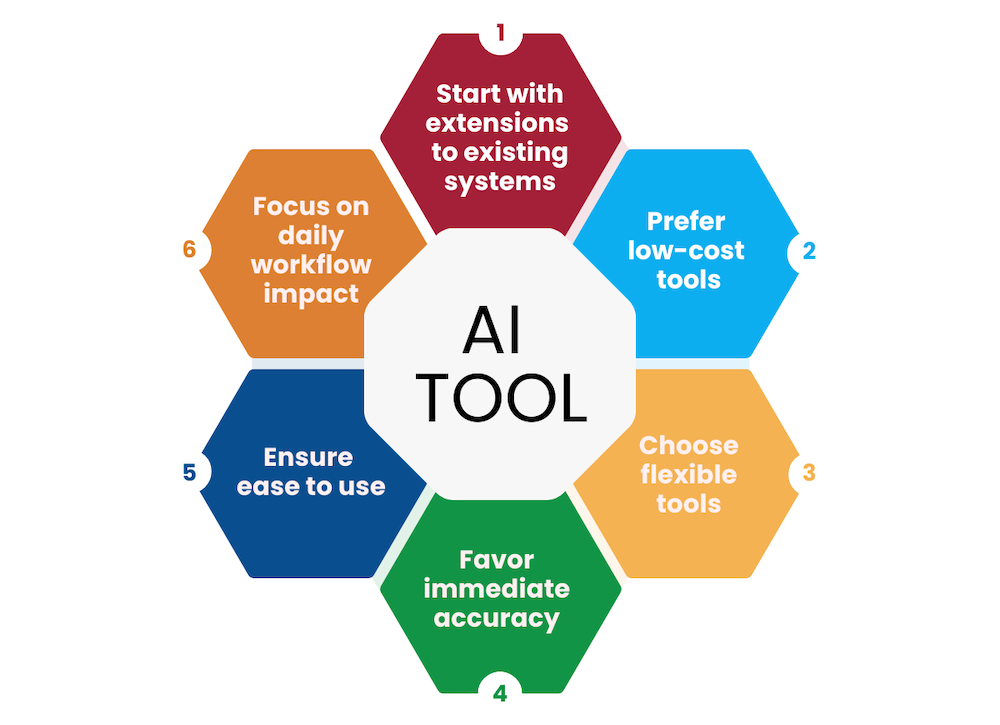
Figure 2. Practical Framework to Evaluate the Small AI Tools
Conclusion
AI holds enormous promise for FP&A, but cost, complexity, skills gaps, and globalisation-related issues for FP&A teams challenge the adoption of integrated solutions. While net-generation AI platforms will eventually transform the function, it’s not worth waiting. Small, simple AI tool sets are an effective bridging solution, which deliver immediate productivity value, help the finance team build AI knowledge, and provide a contained environment to try things out. By starting small and building smart, FP&A teams can achieve real benefits today while preparing for tomorrow’s AI-enabled finance function.
References
FP&A Trends Group. FP&A Trends Research Paper 2025: How AI is Transforming FP&A: A Practical Guide to Maturity, Transformation, and Its Evolving Role. FP&A Trends Group. [Online] June 25, 2025. [Cited: October 2, 2025.] https://fpa-trends.com/fp-research/fpa-trends-research-paper-2025-how-ai-transforming-fpa-practical-guide-maturity
Coherent Solutions. How Much Does It Cost to Develop an AI Solution? Pricing and ROI Explained. Coherent Solutions. [Online] September 1, 2025. [Cited: October 2, 2025.] https://www.coherentsolutions.com/insights/ai-development-cost-estimation-pricing-structure-roi. 1.
Promethium. Enterprise AI Implementation Roadmap and Timeline. Promethium. [Online] August 4, 2025. [Cited: October 2, 2025.] https://promethium.ai/guides/enterprise-ai-implementation-roadmap-timeline/ . 2.
Isha Sharma. AI Transformation in FP&A and Analytics: Insights from the AI FP&A Committee Meeting #28. . FP&A Trends Group. [Online] September 30, 2025. [Cited: October 2, 2025.] https://fpa-trends.com/article/ai-transformation-fpa-and-analytics-insights-ai-fpa-committee-meeting-28. 4.
The full text is available for registered users. Please register to view the rest of the article.
Related articles

In this article, we explore practical steps, enablers, and risks of FP&A centralisation, from vision-setting and...

In this article, we explore the real reasons why modern planning techniques are not widely adopted...

In this article, discover how Agentic AI is revolutionising FP&A business partnering by automating routine tasks...

Mastering AI in FP&A isn’t just about technology — it’s about overcoming human resistance to change...

Successful FP&A digital transformation in startups requires a user-centric, flexible approach that bridges the gap between...
+
Subscribe to
FP&A Trends Digest

We will regularly update you on the latest trends and developments in FP&A. Take the opportunity to have articles written by finance thought leaders delivered directly to your inbox; watch compelling webinars; connect with like-minded professionals; and become a part of our global community.