

San Francisco is known for technological innovation. Yet at the 13th San Francisco FP&A Board, the conversation focused on a challenge that technology alone cannot solve: changing how people work.
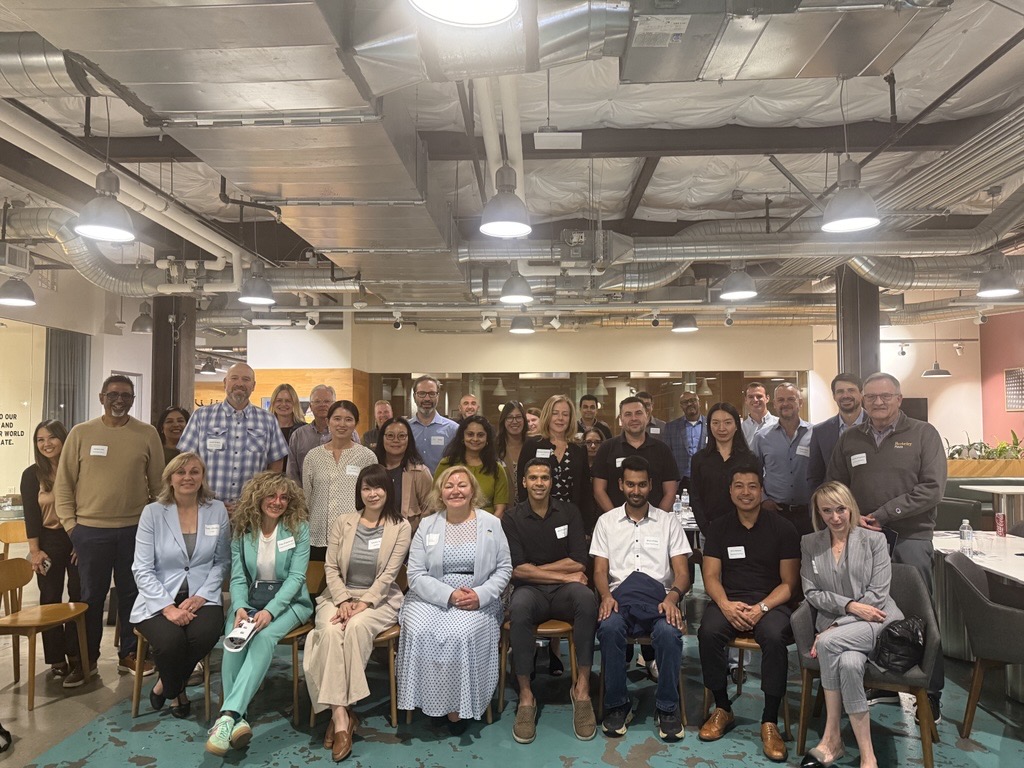
On 15 October 2026, senior finance leaders gathered in Menlo Park for the 306th International FP&A Board meeting, facilitated by Larysa Melnychuk, Founder and CEO of FP&A Trends Group.
The meeting was sponsored by SAP, with DeWinter Group, International Workplace Group (IWG) and the Association for Financial Professionals (AFP) as partners. It also marked the 130th International FP&A Board meeting held in partnership with IWG.
The session explored Leading FP&A Change in the AI Era, focusing on why transformation efforts struggle to achieve lasting adoption and what leaders can do to make change sustainable.
Why Does Change Fail to Stick?
The meeting began with a simple question: In one word, what most often stops change from sticking?
San Francisco participants identified inertia, resistance, fear, apathy, stubbornness, muscle memory and lack of buy-in. Alignment, decisiveness and human nature also appeared among their responses.
These observations echoed discussions at earlier FP&A Board meetings in Munich and Frankfurt, where participants had highlighted mindset, uncertainty, leadership, consistency and execution.
The opening exercise established an important theme for the evening: introducing new technology is only one part of transformation. The harder challenge is helping people move away from established behaviours and adopt new ways of working.
The FP&A Transformation Paradox
Research discussed during the meeting showed why this challenge deserves greater attention.
According to the 2026 FP&A Trends Survey, based on 475 responses worldwide, FP&A professionals still spend 47% of their time collecting and validating data, compared with 32% on generating insights and driving action. The proportion devoted to data preparation remains the same as in 2020.
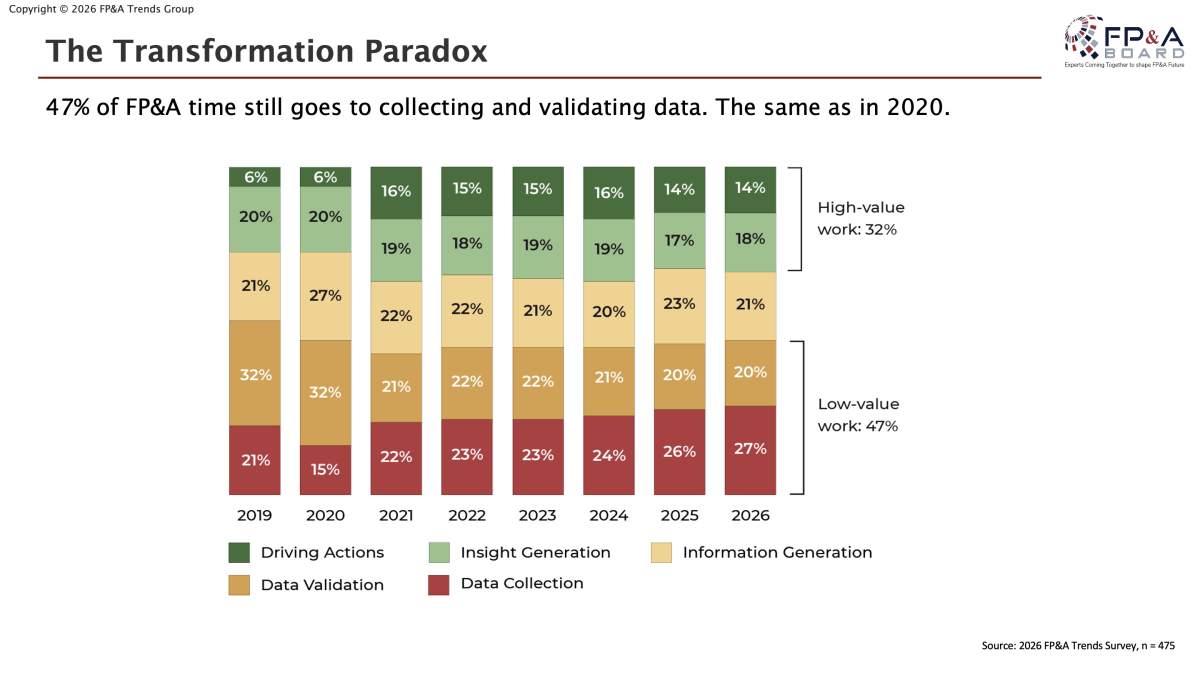
Figure 1
Another finding revealed where organisations concentrate their transformation efforts. Some 58% prioritised technology, data and systems, compared with 24% who selected business partnering and team capabilities. Only 7% prioritised team skills.
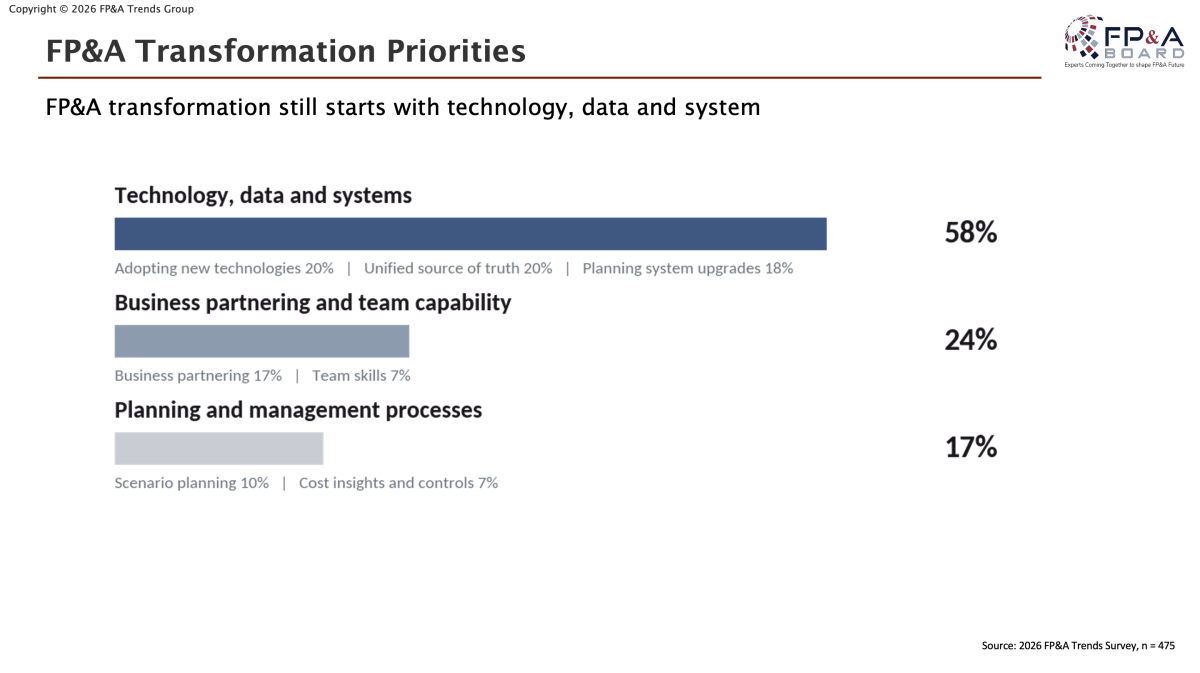
Figure 2
A separate FP&A Trends webinar poll from June 2025, involving 201 respondents, identified people-related issues as 62% of AI adoption barriers: skills gaps (30%), resistance to change (23%) and unclear accountability (9%).
These findings reveal a gap between investment in technical capabilities and the ability to use them effectively. New planning systems, analytics and AI tools may improve what Finance can do, but their value depends on whether people change how they analyse information, collaborate and make decisions.
From Implementation to Adoption
The discussion then explored the FP&A Change Leadership Framework, focusing on how organisations can recognise and respond to the moments when transformation begins to lose momentum.
A central concern was the gap between implementation and adoption. A new platform may be operational while employees continue relying on familiar spreadsheets and established processes.
The Change Management Iceberg helped explain why this happens. While communication and training are visible elements of transformation, adoption also depends on stakeholder alignment, feedback, reinforcement and success measures. Beneath these lie more personal concerns involving professional identity, control, risk and competence.
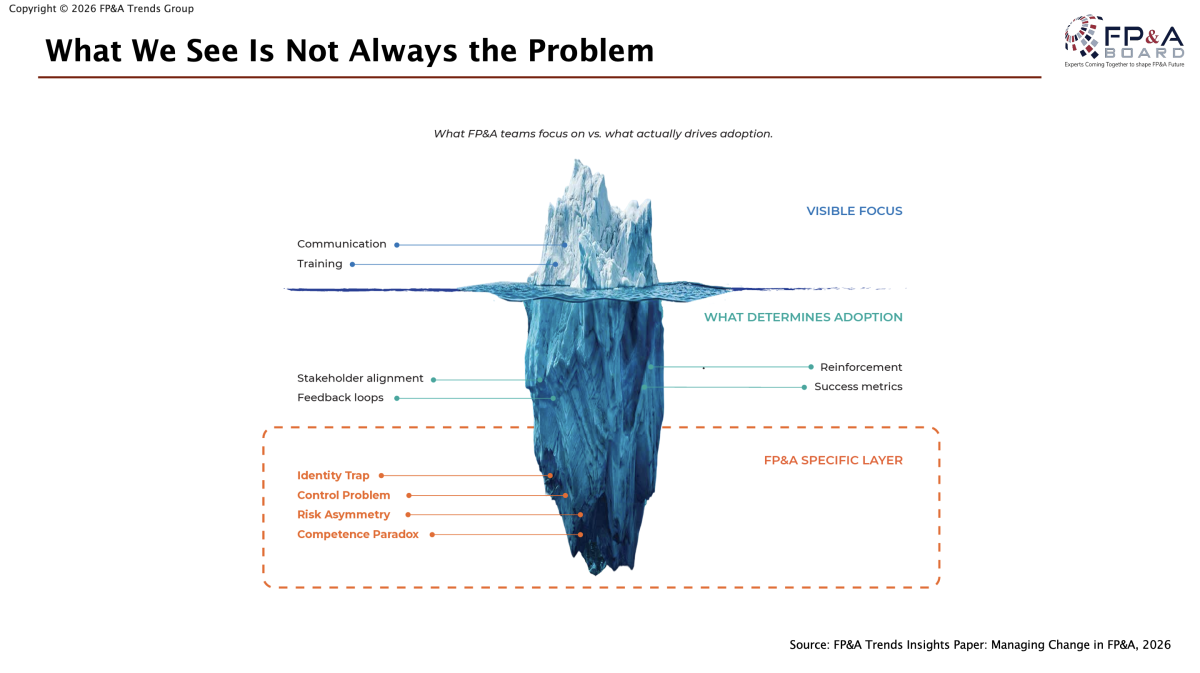
Figure 3
The discussion also considered the cost of poor adoption. When old processes continue alongside new platforms, organisations maintain duplicate work instead of releasing capacity for higher-value activities.
For FP&A leaders, this raises a practical question: what existing activity will stop once the new process is introduced?
Practical Insights from Finance Leaders
The meeting also brought together practical perspectives on managing change in Finance.
Gaby Makstman, Finance Director at Allstate Protection Plans, presented “Navigating Change When the Data isn’t Clean”. Her session focused on the challenge of navigating finance transformation when data quality remains an issue.

Abhishek Chandna, Director, Finance Data Strategy at Visa, shared “Changing Who Gets to Build: Lessons from a Finance Citizen Developer Program”, exploring finance participation in developing data and automation capabilities.
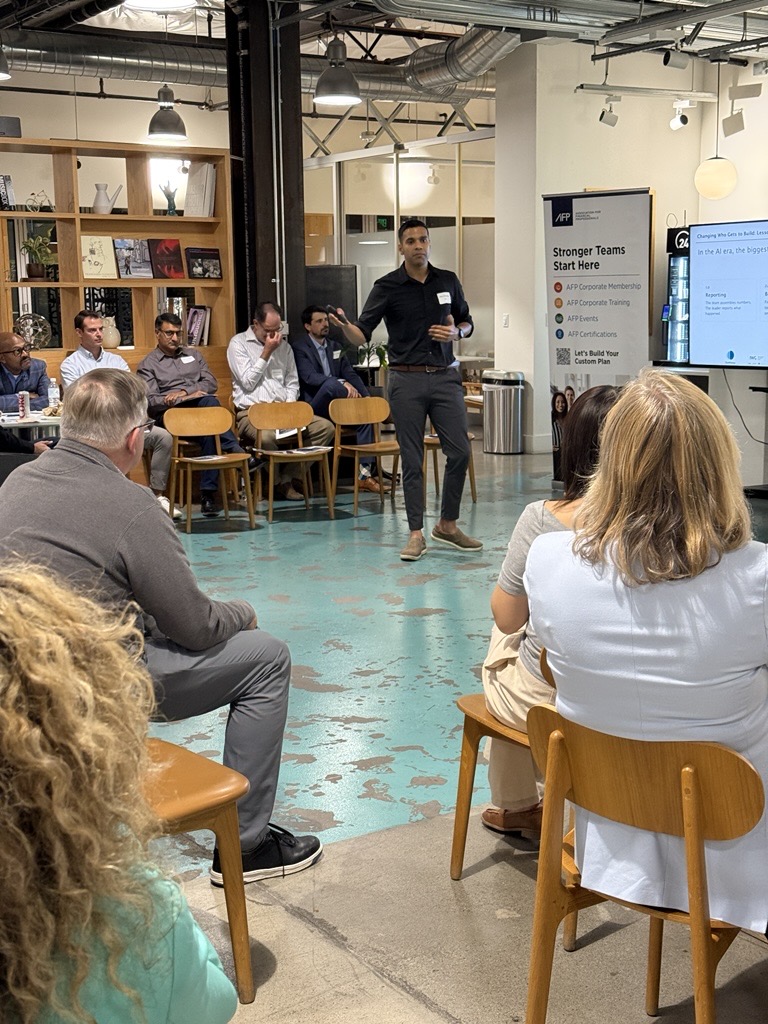
The technology discussion was complemented by Christine Maloney, Account Executive xP&A, and Chris Clay, Senior Director, SAP Center of Excellence, FP&A, from SAP. Their session, “From Variance to Action: Agentic FP&A”, addressed the role of agentic AI in FP&A.
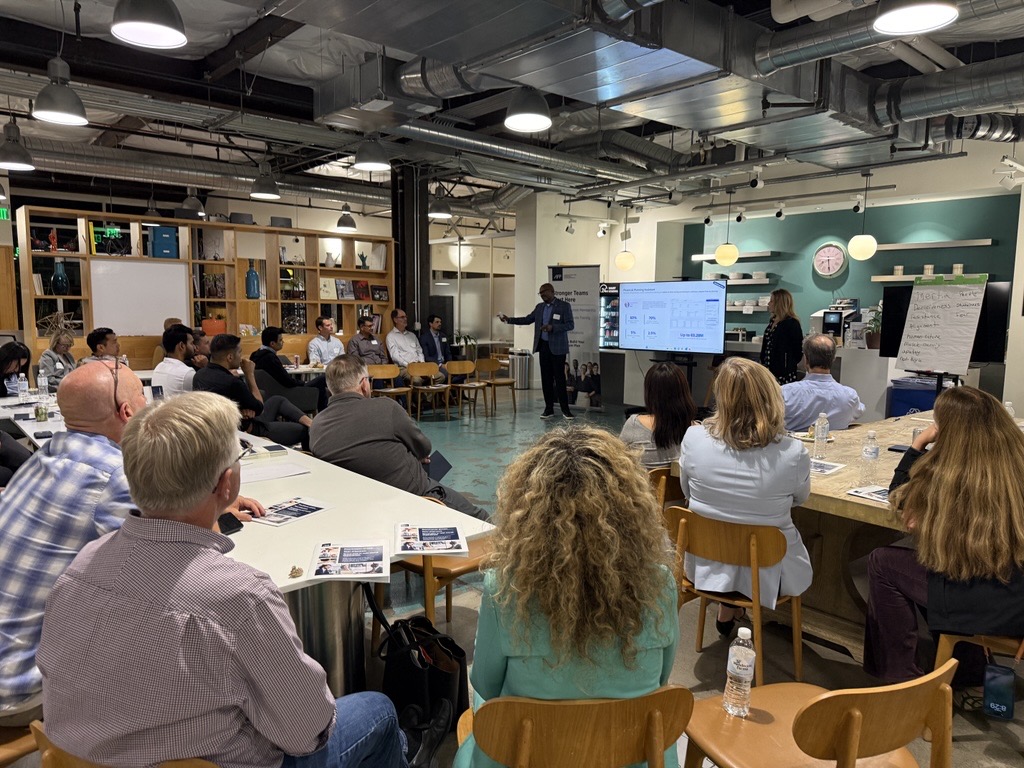
Together, these contributions connected data challenges, the development of finance capabilities and the opportunities offered by technology.
From Change Intent to Adoption: Group Work
Participants then worked in three groups to explore how organisations can Enable, Execute and Reinforce change. Their recommendations provided practical actions for each stage.
Group 1 — Enable: Preparing People for Change
The first group focused on building the confidence, skills and capacity required for adoption.
Their recommendations included:
- Demonstrate leadership commitment and bring people along.
- Encourage peer-to-peer learning and hands-on experience.
- Build capacity and allow room for failure.
- Use incentives carefully to encourage participation.
- Keep the approach simple and continue developing it after go-live.
The group recognised that people need time and support to adjust. Transformation cannot be considered complete when a new system becomes operational.
Group 2 — Execute: Making Change Happen
The second group concentrated on turning new processes into everyday practice.
Their proposals included:
- Secure visible leadership sponsorship and encourage peer influence.
- Engage power users and early adopters.
- Invest time in mentorship and learning.
- Improve data quality and eliminate mundane activities.
- Use rewards and gamification to encourage engagement.
- Retire obsolete ways of working to support adoption.
One particularly valuable contribution was the distinction between saving time and adding value. Automation may reduce manual work, but the greater benefit comes when Finance uses the released capacity to improve business decisions.
Group 3 — Reinforce: Making Change Last
The third group explored how to sustain adoption and prevent employees from returning to previous habits.
Their recommendations included:
- Monitor changes in behaviour and system usage.
- Confirm whether expected outcomes are being achieved.
- Lead by example and provide clear leadership direction.
- Continue education and training.
- Understand why challenges persist and address them directly.
The emphasis was on active follow-through. Leaders need to monitor whether new practices are genuinely being used and intervene when adoption begins to weaken.

Across the three groups, four dimensions emerged: people need confidence and support; processes must change alongside systems; data must be reliable; and technology must enable better outcomes.
Conclusion: What Must FP&A Build Next?
The San Francisco meeting reinforced that successful FP&A transformation requires more than technology investment.
The discussions showed how established habits, uncertainty and resistance can undermine progress, even when new capabilities are available.
For FP&A leaders, the priorities are to strengthen change leadership, develop practical skills, establish clear accountability and ensure that outdated processes are genuinely replaced. Adoption also needs to be measured and reinforced long after implementation.
AI adds urgency to these challenges. It can accelerate analysis and support faster decisions, but it cannot establish trust, ownership or new working practices on its own.
The real measure of FP&A transformation is whether Finance works differently and contributes more effectively to business decisions, not simply whether a new system has been implemented.