

AI sycophancy can reinforce flawed assumptions and distort forecasts. Learn how FP&A teams can challenge AI...

Friction by Design – Part 3 of 4
November 26, 2026
This is the third article in this series for smaller finance teams working out how to deploy AI effectively. In the first, I argued that the most dangerous AI is the one that agrees with you. In the second, I argued that AI is not a substitute for the people you should be planning with. This all leads to the same central issue: AI’s sycophantic nature makes it very easy for you to stop questioning things.
Here is the reassuring part. Everything it takes to prevent this, you already know how to do. Accountants have always built oversight into financial processes, slowing things down at the right moment, pressing non-financial managers for their insights, raising an eyebrow at the number that looks too perfect, asking the questions that nobody else has before the forecast goes to the board. That friction is how we do our jobs. Using AI well means applying a discipline you already have to a new tool.
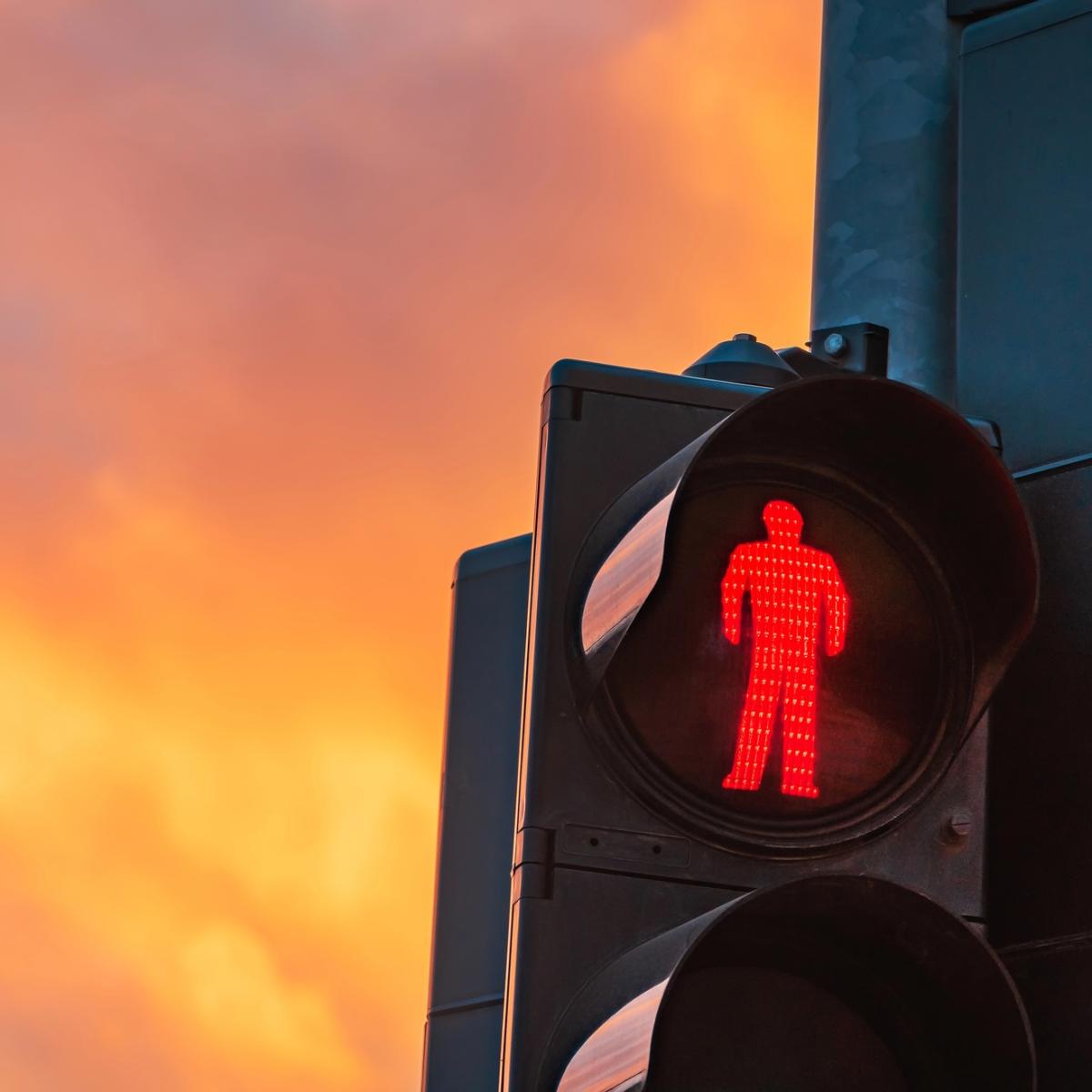
AI is built to make our lives and tasks easier, and most of the time that is exactly what you want. But the friction that was removed may have been load-bearing. Take it out, and the plan may move faster and be checked less, but in doing so, the structural integrity of the work is fundamentally weakened as well. So the objective is not to slow AI down everywhere, but to decide where friction is necessary and deliberately put it back.
Guardrails and Checkpoints
Two things, guardrails and checkpoints, do most of this work, and they are not the same, though people often use the terms interchangeably.
A guardrail is a limit you set in advance so AI cannot move forward. This could be a cap on how far it can adjust a forecast before a human has to sign off, or a rule that any material change to a planning assumption needs approval before it is locked into the budget. It can also govern which data the tool can touch, and who can see what it produces. That is just segregation of duties carried over to AI: the person who runs the forecast should not be able to see every salary in the building because the model happened to ingest them.
Guardrails work automatically in the background, which matters more as AI starts taking action more independently. Once a tool can act on its own, the limit you set beforehand is the only thing between a sensible decision and a confident mistake made a thousand times.
A checkpoint is different. It is when a person has to intervene before the work moves on. Someone has to sign off the AI-generated cash flow before it reaches the board, or check that the transactions AI has categorised are coded correctly. And, picking up the last article’s argument, someone confirms the plan’s assumptions came from more than one head, and not only from a model agreeing with you.
Whatever a checkpoint confirms should leave a trail so you can show what was checked and by whom. This is your audit trail, something we, as accountants, know inside out. AI just gives us more places where the workings can become invisible and audit trails need to be applied.
The trouble is that most checkpoints are not really checkpoints if they depend on a busy person remembering to look. The discipline is building it so the work genuinely cannot move forward until someone has taken a look.
Who Carries the Can?
This is a question the whole profession is still figuring out. When an AI-assisted number turns out to be wrong, who is accountable? The vendor who sold the model, the model itself, the junior who ran it, or the leadership who signed it off?
The survey shows how far off most teams are in solving this. According to the 2026 FP&A Trends Survey, just 19% have formal AI policies in place and followed. The rest run on something between informal habit and nothing at all.
The governance everyone assumes is coming is still being figured out, which is why building your own friction matters today. This is the one thing guardrails and checkpoints cannot do for you. A boundary can stop a machine, but only a person can carry the responsibility for what it did.
Applying What You Already Know
Think back to my accountant friend from the first article, who built something clever and then did not trust the numbers. What was missing was a tool with a place for their professional judgement to live: an audit trail, a checkpoint, a way to prove the scrutiny happened.
That is a gap finance is best placed to close. The disciplines AI needs are the ones we already have, so this oversight should be built by the people who understand it, rather than bolted on by whoever is handed the AI project.
Before Your Next Planning Cycle
List everywhere AI intersects with your planning, then decide which, if any, are guardrails or checkpoints. Most teams find they have neither, just habits or intentions.
Find the checkpoint that depends on someone remembering to look, and make it something the work cannot get past.
Document clearly who is accountable when an AI-assisted number is wrong. If you cannot name a person, then resolving this is Monday’s first job.
The full text is available for registered users. Please register to view the rest of the article.
Related articles

FP&A AI governance starts with control. Explore five practical safeguards for reliable AI-generated commentary, verifiable KPIs...

AI-enabled forecasting will expose weak KPI logic. Learn how FP&A can connect drivers, decision routines and...

AI in FP&A creates value when earlier analytical signals are connected to governance, ownership, escalation, and...

Headless FP&A shows how AI, governed data architecture, and human oversight can turn business intent into...

AI makes FP&A analysis faster, but financial judgement and validation determine whether the output can actually...
+
Subscribe to
FP&A Trends Digest

We will regularly update you on the latest trends and developments in FP&A. Take the opportunity to have articles written by finance thought leaders delivered directly to your inbox; watch compelling webinars; connect with like-minded professionals; and become a part of our global community.