

How do you think performance is measured at the Olympics Games by the teams involved? The number of gold medals? The number of world records?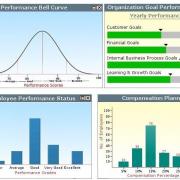
Now come back a few years to when a team is preparing for the games. How is performance going to be managed? You can be sure it won’t be in terms of the number of medals they hope to win. Instead, the focus will be on the type of training being given, the diets being prepared, the way in which equipment and facilities are being used. To ensure these activities can take place, budgets and other resources are allocated to the appropriate activities. In short, the focus is on the process of preparing the athlete and not on the outcomes they hope to achieve.
Budgets and Performance Management
Now compare this approach to the way in which organizations typically plan and budget performance. Most tend to focus on outcomes – the ‘gold medals’ of profit to be made, the total amount to be spent – while the actions required to produce the ‘gold’ are left as a note in an operational plan document, only to be forgotten when actual results are produced.
Performance measurement focuses on results and allows users to analyze those results through charts, grids and trends and by drilling-down to even greater depths of detail. However, what they don’t reveal is the process that individual managers went through in setting the initial targets, the actions that were going to be required, the anticipated state of the business environment, whether or not the required actions were actually carried out and if they actually contributed to success. Performance management, by contrast, is all to do with the processes and actions that lead to strategic goals. This includes how management chooses a particular course of action in a given business environment, as well as to how those actions relate to other departments and the overall achievement of company strategy.
Interestingly the setting and monitoring of budgets or forecasts cannot ensure that these activities will be carried out or if they are proving to be effective. And yet this is where most organizations spend their planning time. For the average company it can be as long as 6 months. Are we really saying that this is the most important planning activity or have we embraced a ritual that doesn’t make much sense in this unpredictable day and age?
Attributes of a Performance Management System
Performance management systems encompass the setting up of an operational plan that is tied to strategic goals. It allows managers to collaborate with others on the setting up of initiatives to which resources can be allocated that will eventually form part of the departmental budget.
Performance management systems allow these initiatives to be assessed in various combinations so that the best can be selected as part of the agreed plan. The system will then go on to track the implementation of agreed initiatives and warn users and appropriate managers if activities have not been completed or if they are not having the desired effect on forecast strategic goals. Where goals are not being met, a performance management system will allow managers to propose changes and try out alternative scenarios to put the plan back on course, which once agreed, will then be tracked by the system.
In short, performance management systems encompass performance measurement systems, but not the other way around. To achieve effective performance management, systems must possess sophisticated process control capabilities that constantly track organizational activities and invoke user involvement as required.
So do you have one? Is your planning system a ‘measurement system’ or a ‘management system’?
Oh – and in case you were wondering, the image is definitely from a performance measurement system!
Subscribe to
FP&A Trends Digest

We will regularly update you on the latest trends and developments in FP&A. Take the opportunity to have articles written by finance thought leaders delivered directly to your inbox; watch compelling webinars; connect with like-minded professionals; and become a part of our global community.